
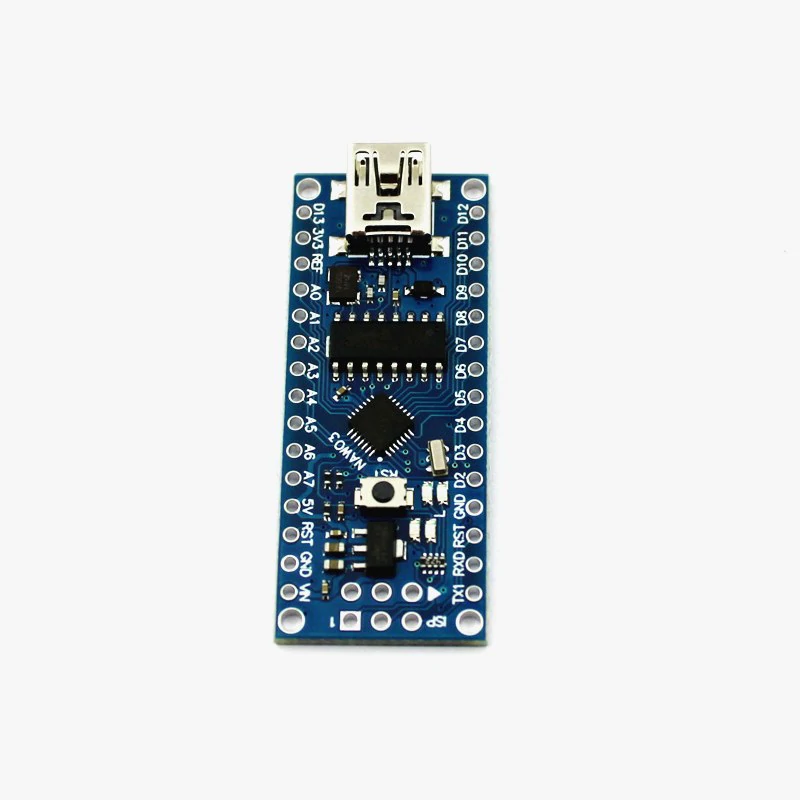
Description
Product Description
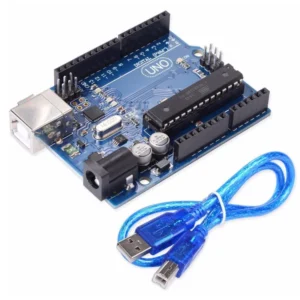
The Arduino Nano V3.0 ATmega328P Controller Board is a compact microcontroller development board designed for electronics prototyping, embedded systems, robotics, and DIY projects. Its small size makes it suitable for projects where space is limited while still providing multiple digital and analog input/output pins.
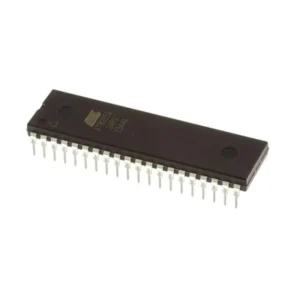
Based on the ATmega328P microcontroller, the Arduino Nano is compatible with the Arduino IDE and a wide range of libraries and example projects. It can be used to control sensors, LEDs, displays, motors through suitable driver circuits, and other electronic components.
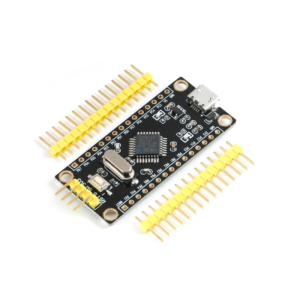
This version is supplied unsoldered, meaning the pin headers are not soldered to the board. This allows users to choose their preferred mounting method and solder the headers when required.
Key Features
- Arduino Nano V3.0-style development board
- ATmega328P microcontroller
- Compact design for embedded projects
- Unsoldered pin headers for flexible installation
- Supports Arduino IDE programming
- Digital and analog input/output pins
- PWM outputs for compatible applications
- UART, SPI, and I2C communication interfaces
- Suitable for robotics, automation, and prototyping
Technical Specifications
| Specification | Details |
|---|---|
| Product Type | Microcontroller Development Board |
| Board Model | Arduino Nano V3.0-compatible |
| Microcontroller | ATmega328P |
| Operating Voltage | 5V on common Nano V3.0 boards |
| Input Voltage | Commonly 7–12V through VIN; verify board version |
| Digital I/O Pins | 14 |
| PWM Pins | 6 |
| Analog Input Pins | 8 |
| Flash Memory | 32 KB, with some memory used by the bootloader |
| SRAM | 2 KB |
| EEPROM | 1 KB |
| Communication | UART, SPI, I2C |
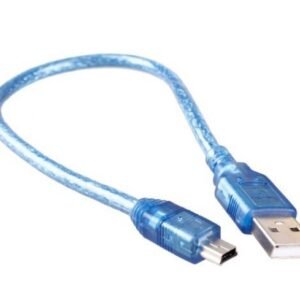
| USB Connector | Commonly Mini-USB; depends on board version |
| Pin Headers | Unsoldered |
| Programming Platform | Arduino IDE |
Applications
- Robotics and robot control
- Sensor interfacing
- LED and display projects
- Home automation prototypes
- Motor control using driver circuits
- Data logging
- Educational electronics
- Embedded systems
- DIY Arduino projects
Important Note
This is an unsoldered version, so pin headers may need to be soldered before use. USB connector type and USB-to-serial chip can vary between compatible boards. Check the board markings before installation, and avoid applying 5V to pins that are not designed for it.

Reviews
There are no reviews yet.