
Description
Product Description
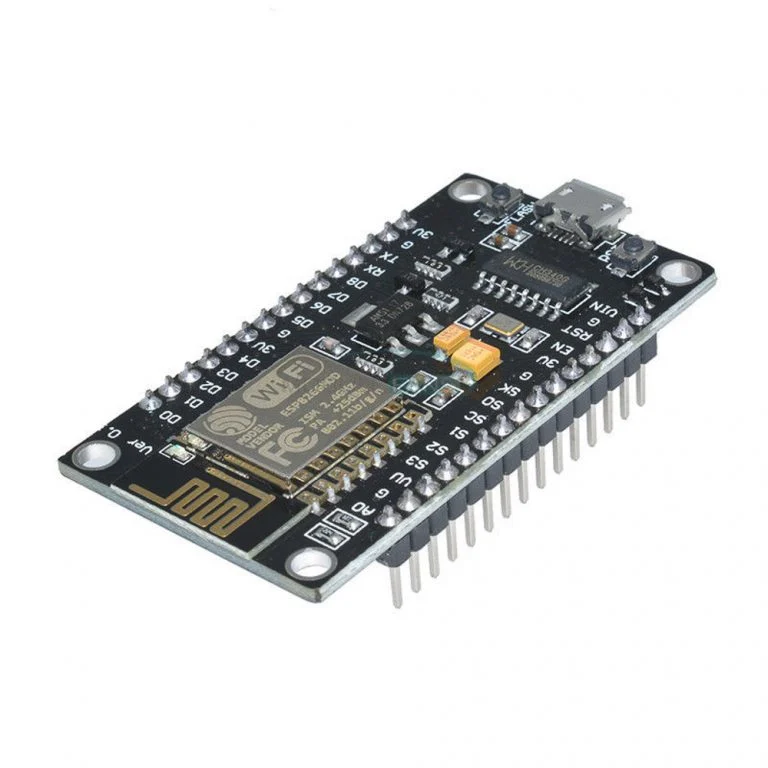
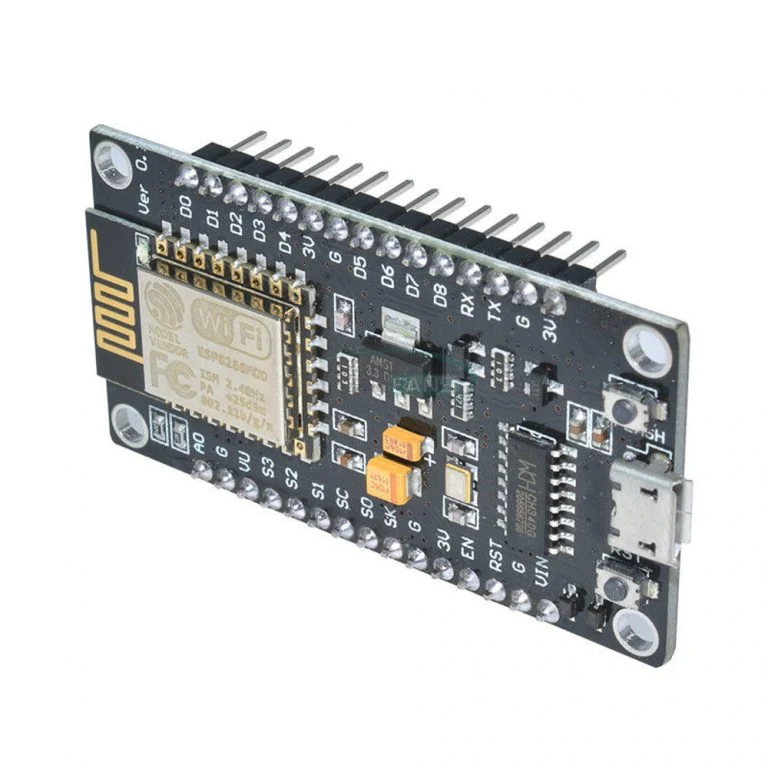
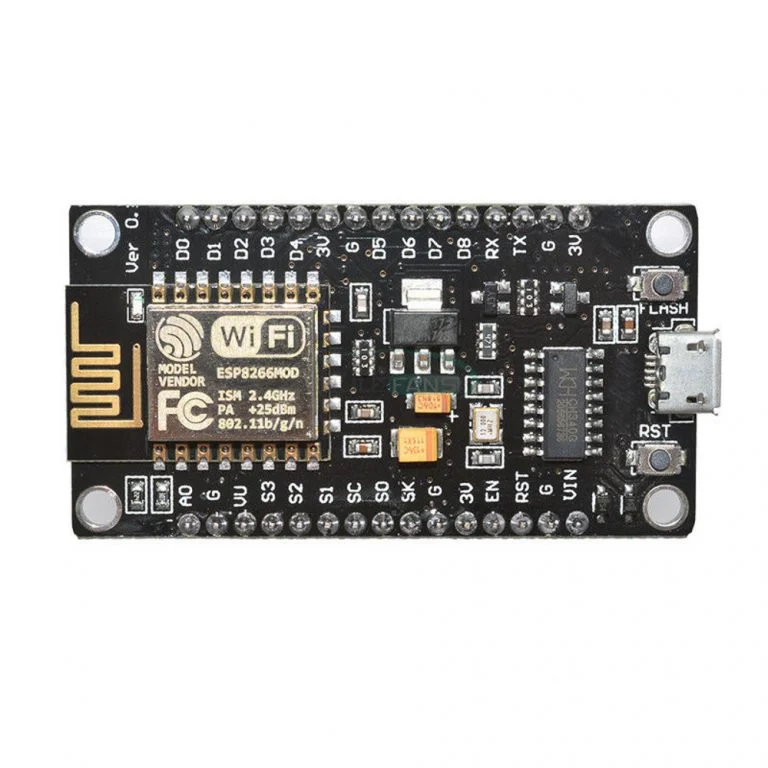
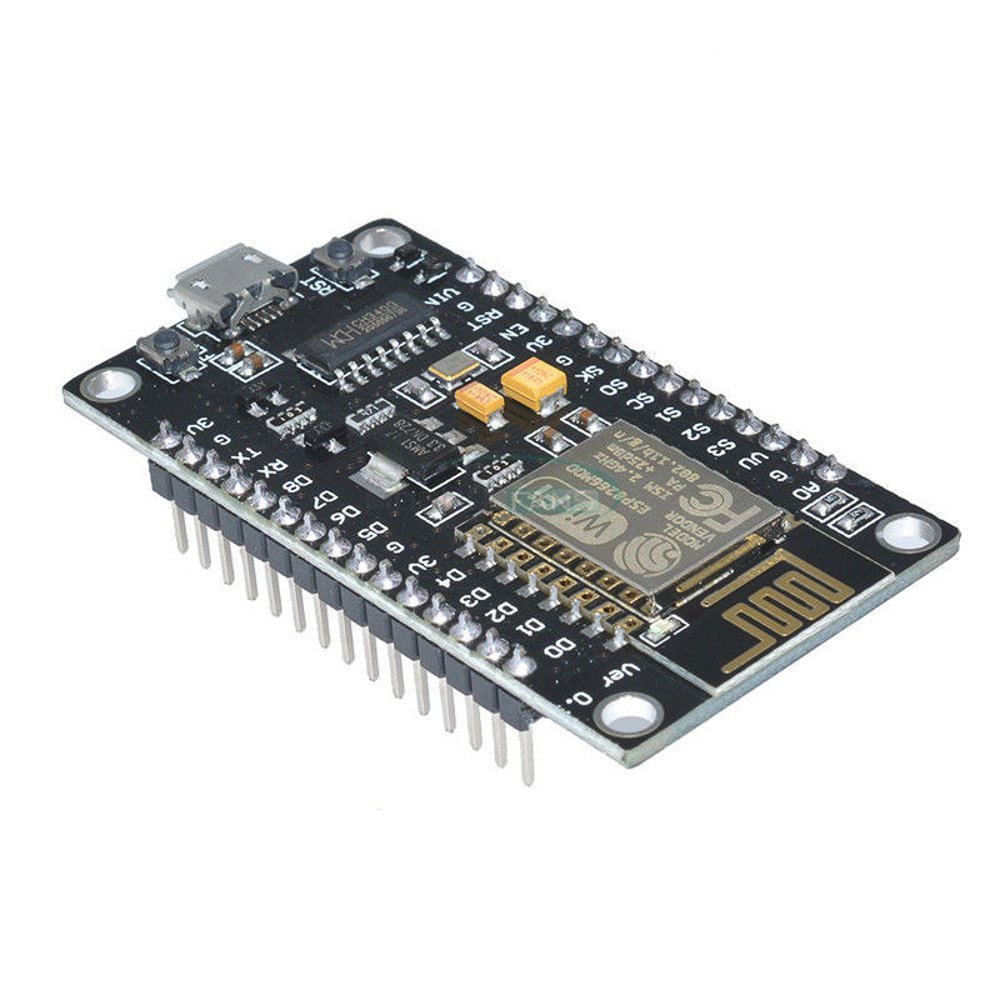
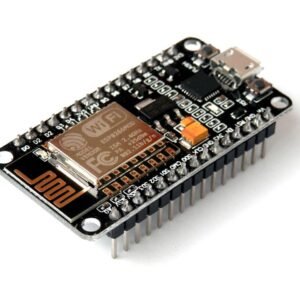
The NodeMCU ESP8266 CH340 V3 Wi-Fi Development Board is a compact microcontroller development board designed for Internet of Things (IoT), wireless communication, and smart electronics projects. It is based on the ESP8266 Wi-Fi chip and commonly uses the CH340 USB-to-serial converter for programming and serial communication.
The board provides built-in Wi-Fi connectivity, allowing electronic devices to connect to wireless networks and exchange data with web servers, mobile applications, and IoT platforms. It can be programmed using the Arduino IDE, Lua-based firmware, and other supported development tools.
With its USB programming interface and GPIO pins, the NodeMCU board is suitable for sensor monitoring, home automation, wireless control, and embedded systems development.
Key Features
- ESP8266-based Wi-Fi development board
- CH340 USB-to-serial converter
- Built-in 2.4 GHz Wi-Fi connectivity
- USB interface for programming and serial communication
- GPIO pins for connecting sensors and electronic components
- Supports Arduino IDE and compatible ESP8266 development tools
- Lua firmware support, depending on installed firmware
- Suitable for IoT and wireless automation projects
- Compact design for prototyping and embedded applications
Technical Specifications
| Specification | Details |
|---|---|
| Product Type | Wi-Fi IoT Development Board |
| Board Name | NodeMCU V3 |
| Microcontroller / Wi-Fi Chip | ESP8266 |
| USB-to-Serial Converter | CH340 |
| Wireless Connectivity | 2.4 GHz Wi-Fi |
| USB Interface | USB for programming and serial communication |
| GPIO | Multiple digital input/output pins |
| Analog Input | One ADC input; board-level range depends on the design |
| Programming | Arduino IDE, Lua firmware and compatible tools |
| Logic Voltage | 3.3V |
| Application | IoT, Wireless Control & Automation |
Applications
- Internet of Things (IoT) projects
- Smart home automation
- Wireless sensor monitoring
- Web-controlled appliances
- Temperature and humidity monitoring
- Wi-Fi-based relay control
- Remote device monitoring
- Data logging and cloud connectivity
- Robotics and wireless control
- Educational electronics and prototyping
Important Note
The ESP8266 uses 3.3V logic. Do not connect 5V signals directly to its GPIO pins. Board layouts and analog-input limits can vary between NodeMCU V3-compatible versions, so check the board markings and documentation before connecting external circuits.
A CH340 driver may be required on some computers for USB programming. The USB cable must support data transfer, not just charging.
Board is a fast leading edge low-cost Wi-Fi technology. Modern high-level mature LUA based technology. It is an integrated unit with all available resources on board. It is super simple to complement your existing Arduino projects or any development board that has I/O pins available.

Reviews
There are no reviews yet.